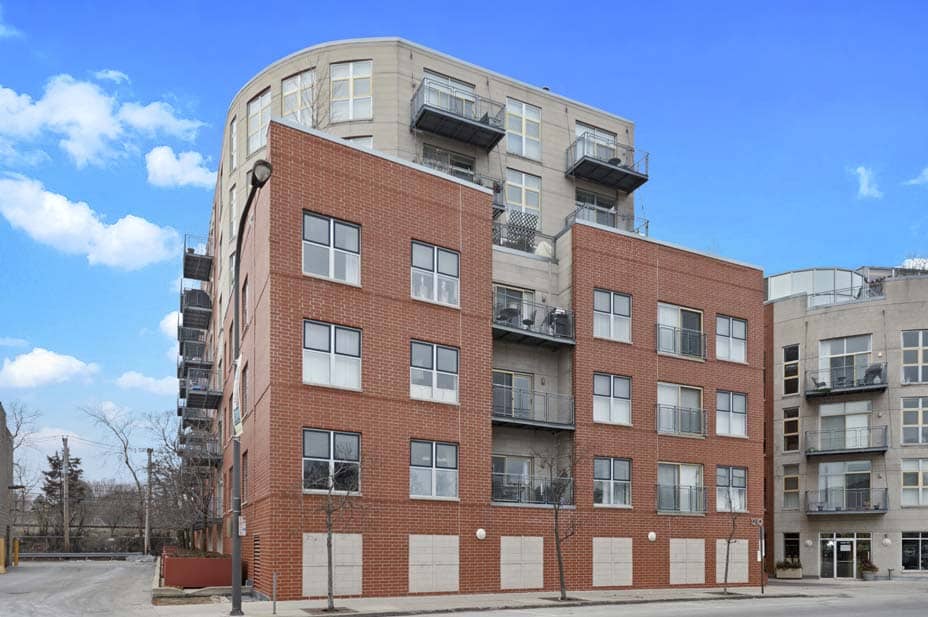

Warning: The Hidden Illinois Condo Loophole That Could Cost You Thousands

Published July 15, 2026 | Weer Insurance Group

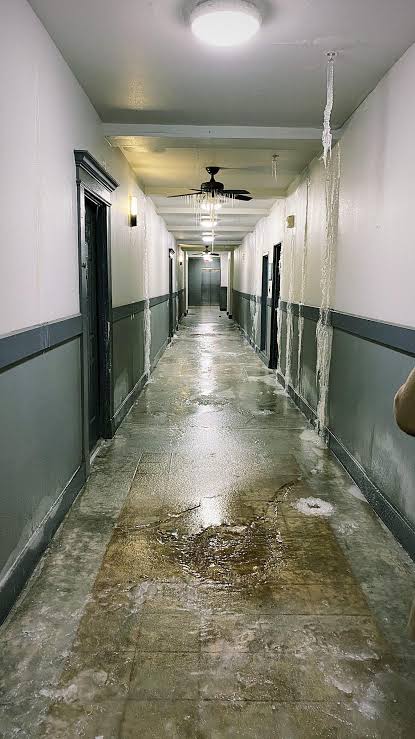
A pipe bursts inside a shared wall on the fourth floor. Water runs down through three units and into the hallway below. The association’s master policy pays for the repair. But the policy carries a $50,000 deductible, and someone has to cover that cost. Under Illinois law, that someone can be the unit owner whose unit the water came from. Most owners have no idea this is legal until an assessment notice shows up in the mail.

This is exactly the scenario loss assessment coverage is built for. It’s also one of the most misunderstood parts of Illinois condo insurance. Boards often assume the master policy handles everything. Owners often assume their monthly dues already cover it. Neither assumption holds up under 765 ILCS 605/12, and that gap is where associations and owners get hurt financially.

What Does the Illinois Condominium Property Act Require?

Section 12 of the Illinois Condominium Property Act sets the baseline for every condo master policy in the state. The statute requires property insurance on the common elements and the units themselves, including limited common elements. Coverage must be written at replacement cost, not actual cash value, and it must be enough to rebuild to current building code. That’s the foundation every Illinois association must carry.

But the statute doesn’t stop at what the policy covers. Subsection (c) addresses the deductible, and this is the part most owners never read:

The board of directors may, in the case of a claim for damage to a unit or the common elements: (i) pay the deductible as a common expense, (ii) after notice and an opportunity for a hearing, assess the deductible against the owner who caused the damage or from whose unit the damage originated, or (iii) require the affected unit owners to pay the deductible.

In plain terms, the board has three options. Two of those options put the deductible on one owner’s shoulders, not on the association’s shared budget. So a board isn’t required to spread a deductible across every owner through regular dues. Instead, it can legally send the bill to whoever’s unit the damage started in.

Illinois Courts Have Backed This Up

This isn’t just a theory about how the statute might work. In one Illinois appellate court case, a board assessed a deductible back to an owner after a fire that started in that owner’s unit. The owner pushed back on two grounds. First, he argued the association never adopted the statute’s language into its own governing documents. Second, he claimed the insurance payout may have covered the loss, so the deductible didn’t actually cost the association anything.

The court rejected both arguments. It held that 765 ILCS 605/12(c) gives the board this authority directly. The association doesn’t need to copy the statute into its bylaws word for word for it to apply. The court also found that an unreimbursed deductible is, by definition, a cost the policy didn’t cover. Because the board followed the required notice and hearing process, the assessment stood.

The lesson for boards and owners is the same either way: this authority is real, and it has already been tested in court.

Where the Master Policy Stops and Your Personal Coverage Starts

Illinois associations must insure the common elements and, generally, the units themselves. But under the statute, “the unit” usually means the bare walls, floors, and ceilings, not everything inside them. Flooring, cabinetry, owner-installed fixtures, personal belongings, and other interior improvements are excluded from the master policy’s baseline requirement, unless the board has separately chosen to cover them.

That’s exactly the gap a personal HO-6 condo policy is built to fill. A well-structured HO-6 policy covers:

  • Personal property and interior improvements not covered by the master policy
  • Personal liability if someone is injured inside the unit
  • Loss of use coverage if the unit becomes temporarily uninhabitable
  • Loss assessment coverage, which reimburses the owner if the association bills them for a deductible or special assessment tied to an insured loss

That last item is the one most owners skip or underinsure. Given what 605/12(c) allows a board to do, it’s also the item that matters most.

Why a $1,000 Loss Assessment Limit Isn’t Enough Anymore

Standard HO-6 policies often default to a modest loss assessment limit, sometimes as low as $1,000. That number made sense years ago, when master policy deductibles ran a few hundred dollars. But it no longer reflects where the Illinois market has moved.

Rising reinsurance costs, more frequent water and wind losses, and tighter underwriting have pushed many Illinois condo master policy deductibles up to $10,000, $25,000, or even $100,000 in some buildings, especially for wind and hail. If a board assesses that deductible to the unit where the damage started, and that owner’s loss assessment limit tops out at $1,000, the owner covers the rest personally.

Before renewing a personal policy, ask your board or property manager two questions: What is the master policy’s current deductible? And does the board typically charge deductibles back to at-fault owners, or spread them as a common expense? Both answers change how much loss assessment coverage actually makes sense for you.

What Boards Should Tell Owners Before a Claim Happens

Boards that handle this well don’t wait for a claim to explain how deductibles work. Instead, they put the policy in writing ahead of time, in the annual meeting notice, the new-owner welcome packet, or a short insurance FAQ posted with the budget. A board that documents its deductible-assessment policy early, and follows its own notice-and-hearing process consistently, stands in a much stronger position than one that improvises after a loss.

This also protects the board from a separate risk. An owner who feels blindsided by a five-figure assessment has a more sympathetic story to tell a judge or an attorney than one who was told clearly, years in advance, exactly how the association handles deductibles.

The Bottom Line for Illinois Condo Owners and Boards

765 ILCS 605/12 gives Illinois condo boards real flexibility in how they handle master policy deductibles. Courts have consistently upheld a board’s right to bill an at-fault owner directly. For owners, that means loss assessment coverage isn’t optional. It’s the piece of a personal condo policy that stands between a covered loss and a five-figure bill with your name on it. For boards, it means the deductible-assessment policy belongs in writing, communicated well before a claim, not explained for the first time in a hearing notice.

If you’re a board member reviewing your master policy’s deductible structure, or a unit owner unsure whether your HO-6 loss assessment limit is high enough, we can review both sides of the coverage together. That way, there’s no gap between what the association carries and what you’re personally protected for.

Have questions about your condo association’s insurance program or your own HO-6 policy? Contact Weer Insurance Group for a coverage review, or call us at 773-545-2001.


Related Reading

Tight Spaces, Big Risks: Contractor Insurance in the Chicago Loop

Secondary Keywords: Illinois workers comp audit mistakes, commercial insurance Chicago, contractor general liability Illinois, certificate of insurance subcontractor

Meta Description

Avoid expensive legal pitfalls and surprise premium hikes. Learn the top commercial insurance rules for general contractors, electricians, and HVAC professionals working in the Chicago Loop.


What insurance do contractors need to work in the Chicago Loop? To secure building permits, pass commercial property management reviews, and safely operate in downtown Chicago, contractors typically require a minimum of $1M/$2M General Liability coverage, active Workers’ Compensation, and an Umbrella policy ranging from $2M to $5M depending on the building’s height and project scope.


1. The Unique Commercial Insurance Demands of Downtown Chicago

Operating as a tradesman in downtown Chicago is vastly different from working in the suburbs. High-rise buildings, dense urban foot traffic, and strict commercial property managers place stringent demands on anyone pulling a permit. Whether you are a general contractor managing a commercial build-out, an Electrician rewriting a commercial space, or an HVAC professional retrofitting rooftop units, standard suburban policies often fall short of downtown requirements.

When working in the Chicago Loop, property management firms typically require proof of coverage before your truck even parks in a loading bay.

  • Higher Liability Limits: While a $1 Million General Liability policy might pass on a residential home, Loop commercial managers frequently demand $2 Million to $5 Million in Umbrella/Excess Liability limits to protect against multi-million dollar high-rise water damage or structural liabilities.
  • Strict Structural Exclusions: Many cut-rate contractor policies carry hidden exclusions for work performed over a certain height, or for structural work on buildings older than a specific date. If you are a Roofer working in the city, open-flame torch exclusions can instantly invalidate your coverage if a claim occurs.

2. How Illinois Contractors Accidentally Trigger Massive Workers’ Comp Audit Bills

One of the costliest financial traps for Illinois business owners is failing an annual Workers’ Compensation audit.

Under Illinois law, if you hire sub-contractors and cannot prove they carry their own independent coverage, your insurance carrier will legally classify them as your employees during your annual review. This means you will be billed for their back-premium out of pocket.

3 Rules to Protect Your Cash Flow From Audit Surprise:

  1. Collect the COI First: Never allow a subcontractor onto a Chicago Loop job site without obtaining a physical Certificate of Insurance (COI) stating they carry independent GL and Workers’ Comp.
  2. Verify “Additional Insured” Language: Ensure your business is explicitly named as an “Additional Insured” on the subcontractor’s policy on a primary and non-contributory basis.
  3. Audit Classifications Closely: Keep meticulous track of job descriptions. Misclassifying a finish carpenter as a structural steel worker will cause your premiums to skyrocket unnecessarily during a check-in.

3. The Core Coverages Every Loop Contractor Needs

To stay fully compliant and protected against real-world exposure, your risk management portfolio should be structured around these non-negotiable coverages:

Coverage TypeWhat It Protects in the Chicago LoopWhy It Is Mandatory
General Liability InsuranceThird-party bodily injury, property damage, and completed operations (e.g., a pipe bursts post-handoff).Required by the City of Chicago to pull structural permits.
Workers’ CompensationEmployee medical bills and lost wages if injured on a downtown job site.Required by Illinois state law for any business with employees.
Commercial Auto InsuranceOver-the-road accidents, loading/unloading incidents, and tight alleyway parking damage.Personal auto policies strictly exclude any vehicle used for commercial hauling or materials transport.
Inland Marine / Tool CoverageTools, generators, and expensive trade machinery stolen out of work trucks or staging areas.Standard commercial property policies only protect tools while located inside your primary office building.

Real-World Case Study: The High Cost of an Uninsured Subcontractor

To show how quickly these exposures turn reality: A general contractor took on a commercial renovation inside a historic building near the Chicago Loop. They hired an unverified subcontractor who accidentally sliced a major water main, causing over $120,000 in immediate structural and electronic damage to three lower floors.

Because the general contractor worked with a specialized commercial agency to enforce proper subcontractor COI agreements, their General Contractors Insurance plan responded seamlessly. The claim was resolved directly without long, bankrupting civil litigation or stressful premium spikes.


Frequently Asked Questions (FAQ)

What is a Business Owner’s Policy (BOP) and can contractors use it?

Yes. A Business Owner’s Policy (BOP) bundles general liability, commercial property, and business interruption insurance into one cost-effective package. It is ideal for smaller trade operations with physical offices or workshops, though larger operations will need standalone commercial lines.

How fast can I get a Certificate of Insurance (COI) for a job site?

At Weer Insurance Group, we prioritize fast turnarounds because we know a delayed certificate means lost revenue. We routinely process verified COIs same-day so our clients can pull permits and start framing without delay.

Does my personal truck policy cover my construction tools?

No. Personal auto coverage excludes commercial use, meaning a claim for tools stolen out of your truck bed in a downtown parking garage will likely be denied. You require a dedicated Commercial Auto policy alongside an inland marine rider.


Protect Your Business with a Local Chicago Independent Agency

Do not leave your hard work exposed to cheap, online policies riddled with hidden exclusions. As an independent agency, Weer Insurance Group matches your business with multiple top-rated national carriers to construct custom, airtight coverage for your exact budget.

Ready to bulletproof your next project bid?

  • Start a Quote Online: Use our Commercial Quote Tool to submit your project details: https://www.weeryouragent.com/commercial-insurance.html#jump-form
  • Speak with a Local Specialist: Call our Chicago office directly at 773-545-2001 to review your current policy for dangerous gaps.

5 Costly Condo Insurance Mistakes Illinois Boards Make at Renewal

Did your condo association’s insurance premium jump at your last renewal? You are not alone. Across Chicago and the suburbs, carriers keep raising rates. Storms and hail drive more claims every year. On top of that, water damage from burst pipes and sewer backups is still the most common loss in our older buildings.

When those costs hit, boards often cover the gap with a special assessment. And then unit owners start asking a fair question: who was supposed to pay for this?

The answer usually comes down to one phrase in your master policy. Is it “all-in” or “bare walls”? Most board members have never been told which one their association carries. So let’s break down the difference, why it matters right now, and what your board should check before the next renewal.

What your master policy actually covers

Every condo association carries a master policy. It insures the building and the common elements. Under the Illinois Condominium Property Act, your association must insure those elements and the units for full replacement cost, and it must carry liability coverage too (765 ILCS 605/12).

But the Act does not say where the master policy stops and each owner’s policy begins. Instead, your declaration and the master policy form draw that line. And that is exactly where “all-in” versus “bare walls” comes in.

All-in coverage

An all-in policy goes the furthest. It covers the building, the common elements, and the original fixtures inside each unit. Think cabinets, flooring, and the layout as the unit was first built.

So after a covered loss, the association’s policy rebuilds most of the unit itself. Owners usually pay only for their personal belongings and any upgrades they added.

Bare walls coverage

A bare walls policy covers less. It protects the building structure and common elements, but it stops at the unfinished interior. In other words, it reaches the studs, subfloor, and ceiling, and no further.

Everything inside that shell becomes the owner’s job to insure. That means drywall, flooring, cabinets, appliances, and fixtures, all through their own HO-6 policy. As a result, the same kitchen fire can produce two very different bills, depending on which structure your association uses.

Why this leads to special assessments

Here is the part that catches boards off guard. Sometimes a loss costs more than the master policy covers. Other times it falls into a gap between the master policy and owners’ individual coverage. Either way, the shortfall does not vanish.

The association absorbs it. And under 765 ILCS 605/18, the board can then levy a special assessment to make up the difference. The gap tends to open up in a few common ways:

  • High master deductibles. Deductibles have climbed sharply. If yours is $25,000 or $50,000, a single water loss can fall entirely on the association before the policy pays a cent. Then that cost flows to owners as an assessment.
  • Bare walls coverage that owners don’t match. Suppose your association is bare walls, but an owner carries a thin HO-6 policy. Now the unrepaired interior becomes a problem for the whole building.
  • Underinsured replacement cost. Older Chicago buildings often cost far more to rebuild to current code than their limits assume. So associations come up short after a major loss.

Illinois does give owners one check on runaway costs. Under 765 ILCS 605/18, owners holding at least 20% of the votes can petition for a vote when assessments would rise more than 115% over the prior year. Still, that is a reaction to a problem, not a way to prevent one. The better path is simpler: understand the coverage structure and close the gaps before a loss ever happens.

What your board should check before renewal

Use this short checklist at your next renewal or board meeting.

  1. Find out which structure you have. Read your master policy declarations page, or just ask your agent. Does it say all-in, all-inclusive, single entity, or bare walls? If no one on the board knows, that is your first red flag.
  2. Match it to your declaration. Your declaration spells out each owner’s insurance duties. The master policy and the declaration need to agree. When they conflict, disputed claims usually follow.
  3. Review your loss assessment limits. Owners need HO-6 policies with enough loss assessment coverage to absorb their share of the master deductible. A $25,000 deductible and $1,000 of loss assessment coverage simply do not match.
  4. Re-check replacement cost every year. Construction and code-upgrade costs keep rising. So a replacement figure from five years ago is probably too low today.
  5. Tell your owners which structure you have. Owners cannot buy the right HO-6 policy if they do not know the answer. A one-page summary at the annual meeting prevents most surprises.

The bottom line

All-in versus bare walls is not just jargon. It is the one line that decides who pays after a loss, and how big the next special assessment might be. And with premiums and deductibles rising across the Chicago area, the difference matters more than ever.

So which associations come through a tough renewal in the best shape? Usually the ones whose boards understand their coverage and have already closed the gaps.

Not sure whether your association is all-in or bare walls? Or whether your master deductible and your owners’ loss assessment limits actually line up? That is exactly the kind of review we run for condo and HOA boards across Chicago and central Illinois. Reach out to Weer Insurance Group for a no-obligation review of your association’s master policy.

This article is general information, not legal or insurance advice for any specific association. Coverage rules and assessment procedures come from the Illinois Condominium Property Act, 765 ILCS 605, your association’s declaration, and your own policy. Always consult your association’s attorney and a licensed agent before you make coverage decisions.